.png)
Why Hypnosis Outshines Meditation for Stress Relief and Personal Growth

Updated: Nov 14, 2025
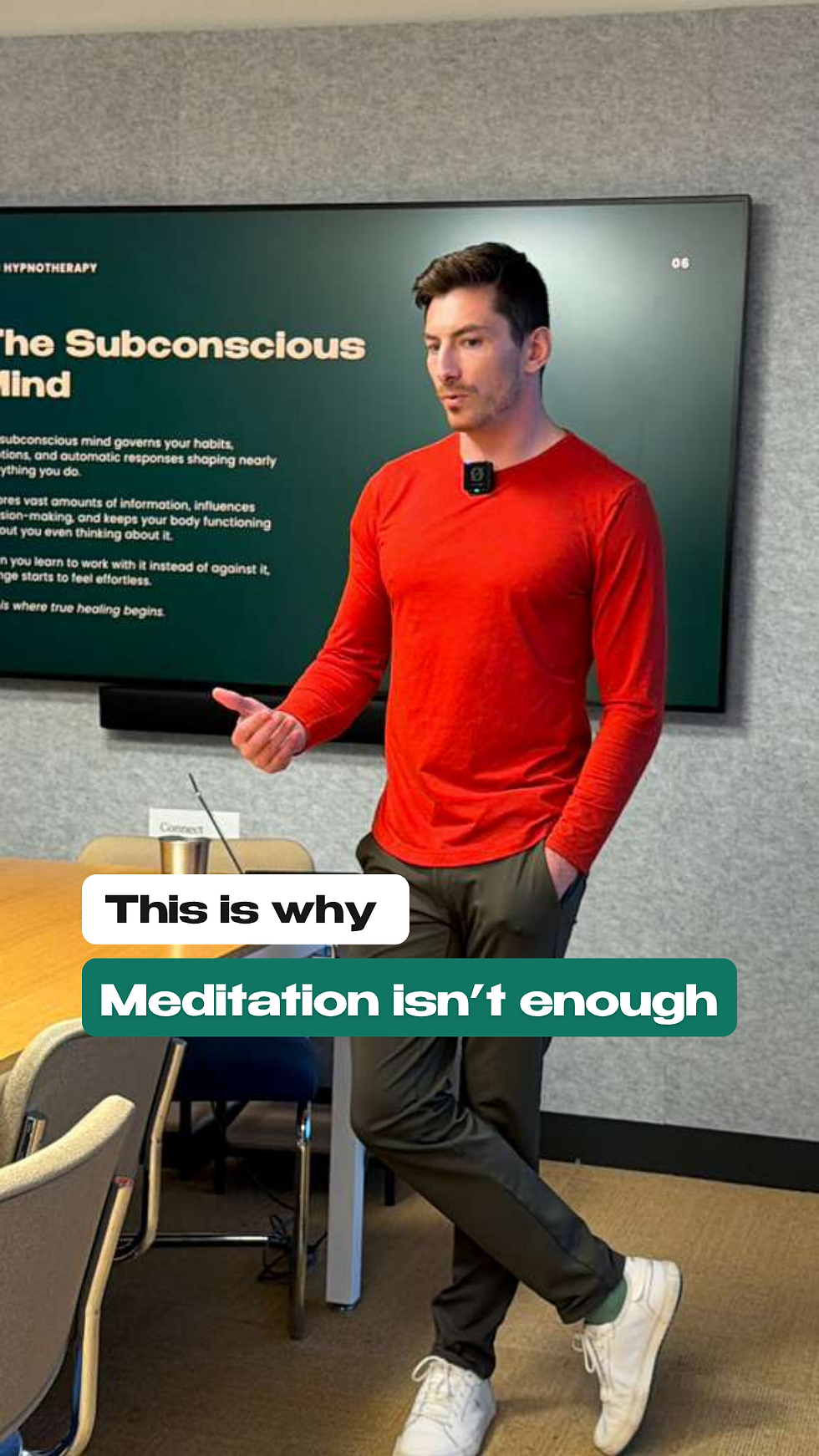
Stress relief and personal growth are goals many people strive for, often turning to meditation as a popular solution. While meditation offers benefits, hypnosis provides a more direct and powerful approach to achieving these outcomes. This post explores why hypnosis can be more effective than meditation, highlighting its unique advantages and practical applications.
Understanding the Basics: Hypnosis vs. Meditation
Meditation generally involves focusing the mind, often on the breath or a mantra, to achieve a calm and centered state. It encourages mindfulness and helps reduce stress by promoting relaxation and awareness.
Hypnosis, on the other hand, is a guided state of focused attention and heightened suggestibility. During hypnosis, a person enters a trance-like state where the subconscious mind becomes more open to positive suggestions and change. This allows for deeper work on habits, emotions, and thought patterns.
Why Hypnosis Works Faster for Stress Relief
Meditation requires consistent practice over weeks or months to notice significant changes in stress levels. It helps by calming the nervous system and improving emotional regulation, but the effects build gradually.
Hypnosis can produce faster results because it targets the subconscious mind directly. Stress often stems from deeply ingrained beliefs and automatic reactions. Hypnosis bypasses the critical conscious mind and rewires these patterns more efficiently.
For example, someone with anxiety triggered by public speaking might spend months meditating to manage symptoms. With hypnosis, a trained practitioner can help reframe the fear response in a few sessions, leading to quicker relief.
Dealing with Root Causes Through Hypnosis
Meditation encourages acceptance of thoughts and feelings, which can reduce stress but doesn’t always address the root cause. Hypnosis allows people to explore and change the underlying causes of stress or limiting beliefs.
During hypnosis, suggestions can help replace negative self-talk with positive affirmations. This rewiring of thought patterns supports lasting personal growth beyond temporary relaxation.
Consider a person struggling with low self-esteem. Meditation might help them feel calmer, but hypnosis can help uncover and transform the subconscious beliefs that fuel their self-doubt, leading to deeper confidence.
Personal Growth Benefits of Hypnosis
Hypnosis is not just about stress relief. It also supports personal growth by enhancing motivation, creativity, and self-awareness. Because hypnosis works with the subconscious, it can unlock hidden potential and remove mental blocks.
People have used hypnosis to improve habits like quitting smoking, boosting athletic performance, or overcoming fears. Meditation can support these goals but usually requires more time and effort to see change.
Hypnosis sessions can be tailored to specific goals, making the process more efficient. For example, an athlete might use hypnosis to visualize success and build confidence before competitions, accelerating progress compared to meditation alone.
Accessibility and Ease of Practice
Meditation often requires learning techniques and setting aside daily time for practice. Beginners can find it challenging to quiet the mind or maintain focus, which may lead to frustration.
Hypnosis can be guided by a professional or through recorded sessions, making it accessible even for those new to mind-body practices. The trance state is natural and easy to enter with guidance, which can make hypnosis feel more approachable.
People who struggle with meditation may find hypnosis a better fit because it requires less effort to achieve a relaxed, focused state. This ease can encourage more consistent practice and better results.
Combining Hypnosis and Meditation for Maximum Effect
While this post highlights why hypnosis can be more effective, combining both practices can offer powerful benefits. Meditation builds mindfulness and emotional resilience, while hypnosis targets subconscious change.
For example, someone might meditate daily to maintain calm and use hypnosis sessions weekly to address specific stress triggers or personal growth goals. This combination supports both conscious awareness and deep transformation.
Practical Tips for Trying Hypnosis
Find a certified hypnotherapist with experience in stress relief or personal growth.
Start with short sessions focused on relaxation and simple suggestions.
Use hypnosis recordings designed for your goals if professional sessions are not accessible.
Be patient and open-minded; results can vary but often appear faster than meditation.
Maintain healthy lifestyle habits alongside hypnosis for best outcomes.
Summary
Hypnosis offers a direct path to stress relief and personal growth by working with the subconscious mind. It can produce faster, deeper changes than meditation alone, especially when addressing root causes and limiting beliefs. Hypnosis is accessible and adaptable, making it a valuable tool for anyone seeking meaningful transformation.


Comments